Thermal bed bug remediation enforces complete biological eradication by heating structural ambient air between 122°F and 135°F, exceeding the lethal thermal threshold for bed bug proteins, enzymes, and desiccation…
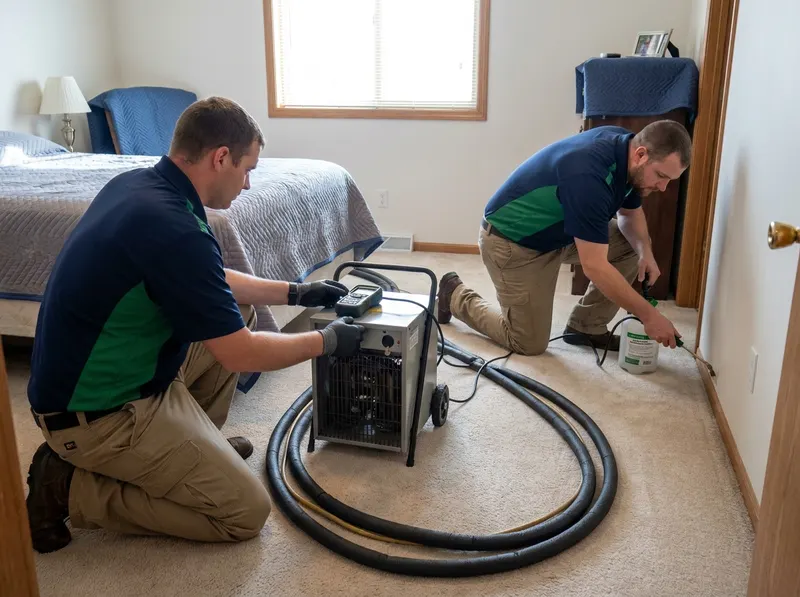
Thermal bed bug remediation enforces complete biological eradication by heating structural ambient air between 122°F and 135°F, exceeding the lethal thermal threshold for bed bug proteins, enzymes, and desiccation limits across all developmental stages, including eggs. Traditional standalone pesticide sprays frequently fail due to documented pyrethroid resistance in Northwest Iowa populations, which allows pests to migrate deeper into drywall voids. Combining sustained convective heat with precision micro-crack chemical neutralization prevents escape migrations into adjacent living areas, establishing an immediate lethal envelope within baseboards, electrical conduits, and floor joists.
Building layouts across Storm Lake dictate specific remediation plans. Historic wood-frame dwellings in the Seneca Street Historic District and older residences near College Hill feature dense lath-and-plaster walls and deep floor gaps that demand extended heating durations to reach lethal core temperatures. Multi-family rentals and residential complexes near North Central Storm Lake, Lakeside, and Chautauqua Park Area require simultaneous thermal perimeter barriers to stop lateral insect migration between shared demising walls. Technicians monitor heat distribution through wireless thermal sensors, ensuring that heavy interior structural timbers reach a sustained 125°F for a minimum of 90 continuous minutes without causing surface damage to structural fixtures.
Single-room heat deployments resolve localized vectors, while full-envelope remediations are deployed when insect activity is verified in multiple zones. Chemical neutralization serves as the perimeter security layer: non-repellent liquid actives and desiccant dusts are placed beneath switch plates, behind wall moldings, and along carpet tacks. This barrier neutralizes any bed bugs that might be reintroduced via luggage or secondary items after the thermal cycle completes. The process does not require perpetual monthly contracts; eradication targets complete biological extinction in one coordinated deployment, supported by structural preparation and clear mechanical isolation instructions.
Every job gets a firm, written price after a free on-site visit.
Tell us about your bed bug heat treatment & chemical neutralization job in Storm Lake and we'll send a clear, written quote, usually the same day.
 Corviro Pest Management